For employers
Get the people flying your company's drone properly licensed
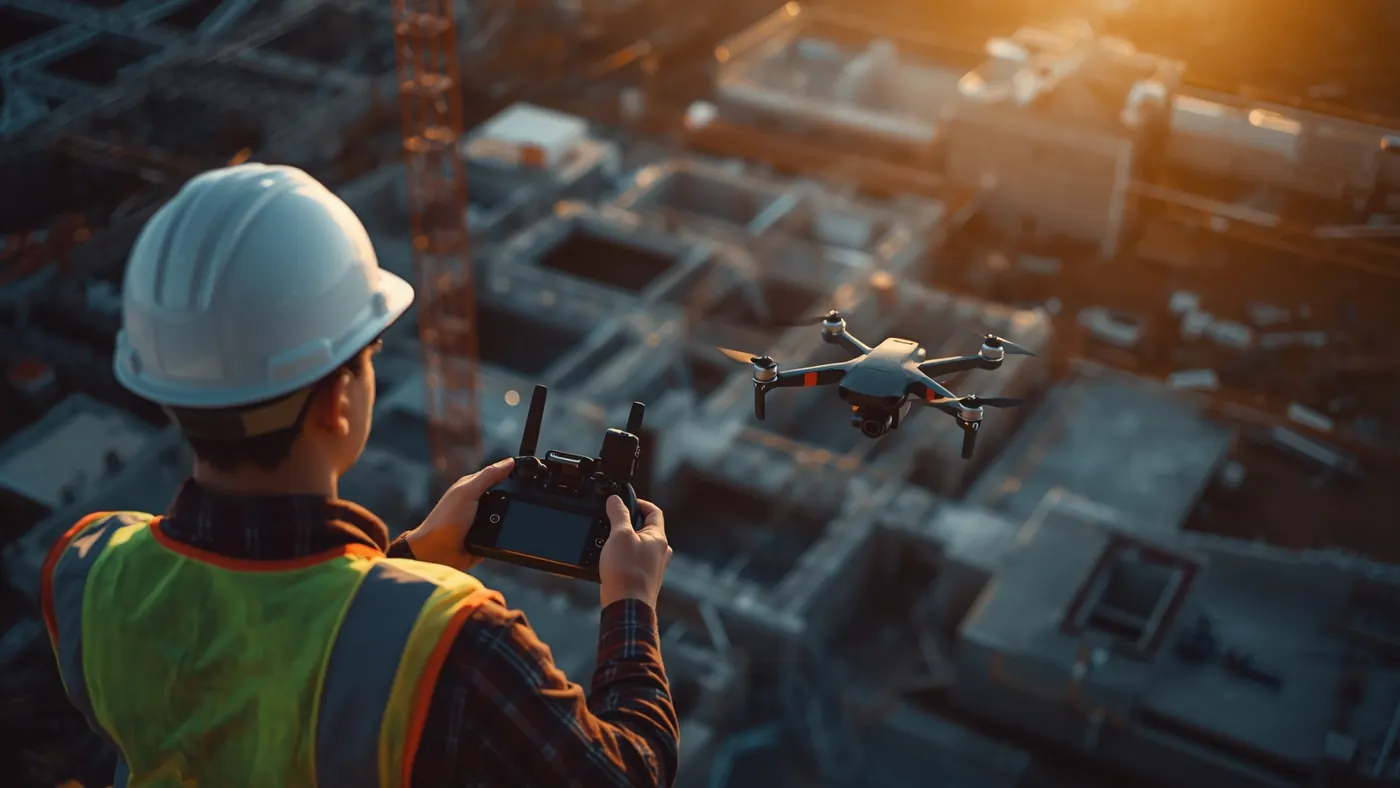
Listing photos, roof checks and site progress shots all count as flying for a business, so whoever is holding the controls needs an FAA Remote Pilot Certificate. Liftoff gets them ready for the test on their phone, in the gaps between their actual work.
Why the certificate is required
Here's the short version, with the FAA pages it comes from.
-
Getting paid isn't the test. The FAA says compensation, or the lack of it, doesn't decide whether a flight is recreational. Its own examples of flights that need Part 107 include photos to help sell a property and roof inspections.
Sources: FAA, Recreational Flyers page
-
The recreational exception only covers flying purely for fun or personal enjoyment. For anything else, the FAA's advice is to assume Part 107 applies.
-
Fines can reach $75,000 per violation, and the FAA says it can fine the company as well as the person flying, whether or not that person holds a license.
Sources: FAA press release, 6 February 2026
-
While flying, the pilot has to carry the certificate and ID and show them to the FAA or law enforcement if asked.
Sources: 14 CFR 107.7(a)
-
Someone without a certificate may fly only under the direct supervision of a certificated remote pilot who can take over the controls immediately.
Sources: 14 CFR 107.12(a)(2)
-
Your employee needs no flight hours to qualify. They must be at least 16, read, speak, write and understand English, and pass the knowledge test.
Sources: 14 CFR 107.61
-
Keeping the certificate current costs nothing: a free online recurrent course every 24 calendar months.
Sources: 14 CFR 107.65; FAA Become a Certificated Remote Pilot
What your company gets
- A trainer that fits around a work week
- It runs in the browser on a phone or laptop, so a site supervisor can do a section at lunch without anyone installing software on a company device.
- A clear answer on when they are ready
- Each area of the test gets its own readiness score, and the mock exams run on the real 60-question, 2-hour format. Your employee can show you their scores before you pay for a test slot.
- Rules they can point to
- Every explanation names its FAA or eCFR source, which helps the day a client or a site manager asks why a flight has to wait.
- The paperwork after the test
- The business setup checklist covers drone registration, Remote ID and insurance, so your pilot doesn't stall between passing and flying.
Team seats
Seats are priced by quote. Tell us how many people need licensing and roughly when, and we will send a price, with an invoice if your accounts team needs one.
Every seat is the full Liftoff Pilot, the same one a person buys for $49, including the First Paid Flight kit and future updates.
Ask for a team quoteThe same guarantee applies to every seat
Pass the Part 107 test or get your $49 back. Finish two full mock exams with a score of 80% or higher, take the real test within 60 days of buying, and if you don't pass, email us your Airman Knowledge Test Report. We refund you in full.
Asking your boss to pay? Send this
Fill in the brackets, copy it and send it. It explains the rule, the cost and what you need from them.
Nothing is sent from this page. The email opens in whatever you paste it into.
Hi [manager's name],

Before I fly the company drone for [listing photos / roof checks / site updates], I need an FAA Remote Pilot Certificate, known as Part 107. The FAA treats flying for a business as non-recreational even when nobody is paid for the flight, and its February 2026 enforcement notice says fines can reach $75,000 per violation and can apply to the company.

Getting certified means passing a knowledge test at a PSI testing center, then applying online through the FAA. I'd like to prepare with Liftoff Pilot. It costs $49 once and comes with timed practice exams in the real test format. If I meet its conditions and still don't pass, it refunds the $49.

The test itself is booked and paid through PSI, which shows the fee at booking. I think I can be ready to book in about [number] weeks.

Could the company cover both? There are more details for employers here: https://flyliftoff.com/for-employers/

Thanks,
[your name]
Ask for a team quote
A few details and we will come back with a price.
Questions employers ask
Our employee has never flown a drone. Can they still get certified?
Yes. The FAA's eligibility rules don't require flight hours, and the test is a written knowledge test. Plan some supervised practice flying before real jobs.
Can someone fly while they study?
Only under the direct supervision of a certificated remote pilot who can take control right away. Otherwise, wait for the certificate.
How long until they can fly for us?
It depends on study time, which people commonly report as one to three weeks. After passing, the result can take up to 48 hours to reach the FAA's system, and the temporary certificate follows a security check.
Does the company need its own certificate?
The certificate belongs to the person flying. The drone itself also needs to be registered for Part 107 use and meet the Remote ID rules, and the kit's checklist covers both.
Buying a single seat? Start today.
Every seat is the full Liftoff Pilot, the same one a person buys for $49.
Liftoff is an independent study tool. It is not affiliated with, endorsed by or approved by the Federal Aviation Administration.