Grid Guardian Pilot
Drone inspection jobs: how to get hired
If you want a paycheck instead of clients, this is your lane. Expect field work, travel and a checklist before cinematic flying.
The honest summary
Utilities, telecom, solar and inspection companies need people who can fly safely in the field, follow a checklist, drive to remote sites and upload clean data.
The first jobs are often hourly field roles with lots of travel. The big salaries you see online usually belong to experienced pilots with specialties like thermal or mapping, and some online estimates run high.
Who hires
- Utility inspection contractorsPower lines, poles and substations.
- Solar companies and inspection firmsThermal inspections of panels.
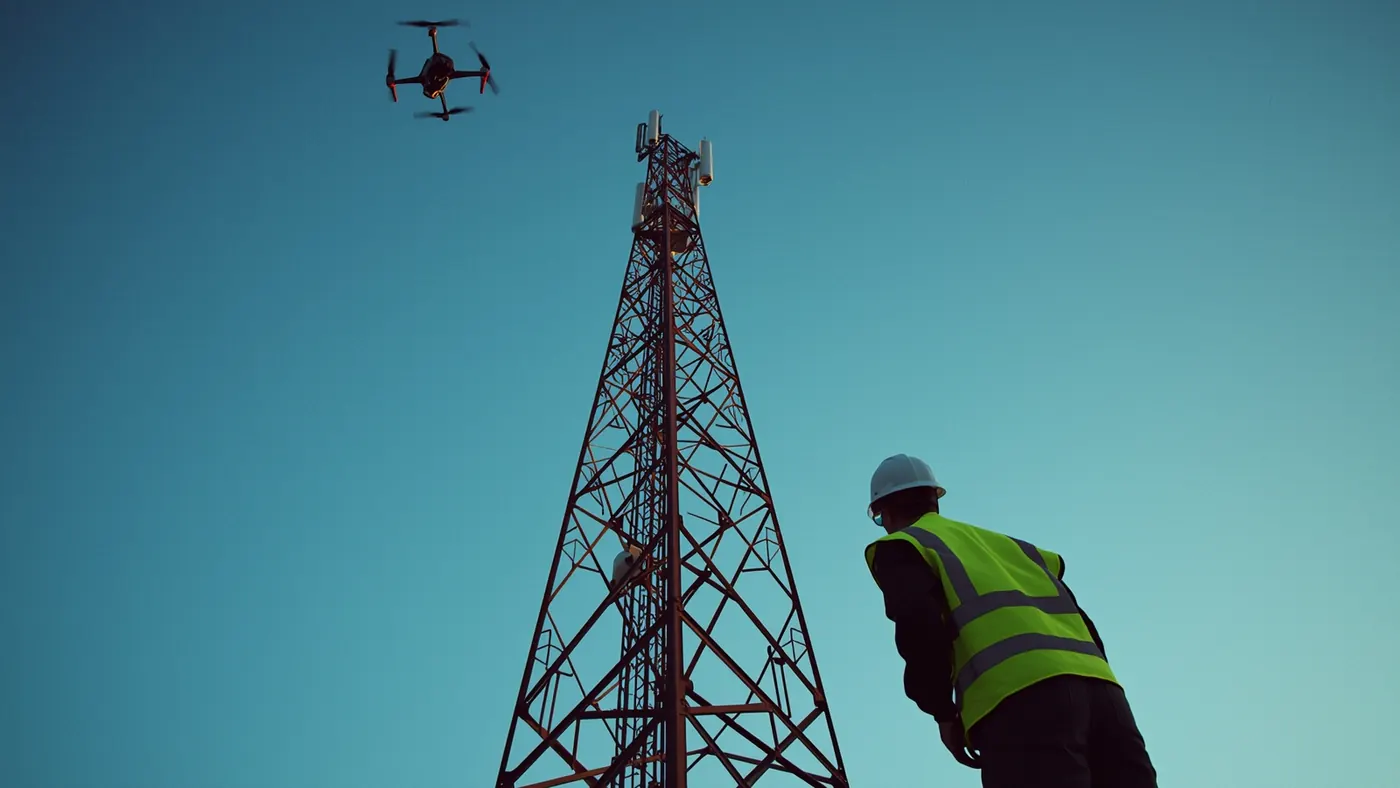
- Telecom contractorsCell towers and antennas.
- Engineering, surveying and construction firmsMapping and site data.
- Staffing agencies and gig platformsThey send pilots on inspection missions.
What they buy
Here the question is what the job involves day to day.
- Flying repeatable patterns, often automated, around poles, towers or panels
- Capturing photos, thermal images or map data to the company's spec
- Checking the data is complete before leaving the site
- Uploading and labeling files
- Driving to sites, sometimes overnight, and filling out safety paperwork
Reality check
How crowded: Many applicants, few standouts
Entry-level postings get lots of applicants, but many have the certificate and nothing else. Postings commonly prefer a background in solar, roofing, HVAC, home inspection or construction, which is good news if you come from the trades.
These are real full-time jobs, but they often mean travel, long days outside, and employers who want logged flight hours. The pay figures come from job postings and vary a lot. Expect to start with a field role and build hours before the better-paying work.
Where the room is
- Log flight hours. Even 20 to 40 well-documented practice hours show you are serious.
- Reframe your old job: lineworker, electrician, roofer and truck driver all show field safety.
- Pick one specialty, like thermal basics for solar or mapping basics.
Typical pay ranges
Typical ranges people report, with where each one came from. They are not promises: what you earn depends on your area, your work and how you find clients.
| What | Range | Source and date | Confidence |
|---|---|---|---|
| Drone pilot salary from job postings | $43,938 to $151,582 a year, average $81,610 | Indeed: Drone pilot salaries, 2026-09-04 | Medium |
| Utility inspection drone pilot | Most $19.23 to $26.20 an hour | ZipRecruiter: Utility inspection drone pilot (estimate), 2026-07-19 | Low |
| Solar string inspection mission on a gig platform | $450 to $650 | Fonzi.ai review of Zeitview mission pay (third-party blog), 2026-03-16 | Low |
Be wary of pages quoting a $130,000 average for drone pilots. Those model-based estimates run high and do not reflect entry-level work. Want a number for your own area? Try the pricing calculator.
Gear that is enough to start
- You usually fly the company's drone on the job
- Any reliable camera drone you can practice automated patterns with
- A flight log app or a simple spreadsheet
- A free mapping app trial to learn the basics
- A laptop that handles photo uploads
Extra rules to know
- Keep your certificate current
- Every 24 calendar months, complete the FAA's free online recurrent training. FAA: Become a remote pilot
- Carry your certificate and ID
- Any time you fly under Part 107.
- Line of sight on long runs
- You must see the drone yourself, so power line work means moving your launch point often unless the company holds a waiver.
- Tower safety training
- Telecom employers often set their own safety training. Ask what they require before you pay for anything.
Every lane starts with the FAA Remote Pilot Certificate. Not legal advice; rules change, so check the FAA before you spend money.
Your first three moves
Search job boards for "Part 107", "UAS technician" and "field inspection" in your state and save 10 postings.
Start a flight log today and aim for 10 practice hours in the next 30 days.
Rewrite your resume around field safety and reliability, then apply to 3 roles that match your background.
What's in the kit for this job
Liftoff Pilot gets you ready for the Part 107 test, then hands you the First Paid Flight kit. For inspection careers, that includes:
- The full inspection careers lane guide
- Work sample pack list for applications
- Resume bullets and application scripts
- Flight log setup
- Send-to-your-boss email template
Not sure this is your lane?
Nine quick questions match your time, skills and budget to a kind of drone work. It takes about two minutes and needs no email.
Questions about inspection careers drone work
Can I get a drone inspection job with no flight hours?
It is possible, but hours help a lot. Many applicants have the certificate and nothing else, so a log of 20 to 40 documented practice hours, a clean driving record and a trade background move you up the pile.
How much do drone inspection jobs pay?
Indeed lists drone pilot salaries from $43,938 to $151,582 a year from job postings, with an average of $81,610. Entry-level field roles are often hourly. These are typical ranges people report, not promises.
Do I need my own drone for an inspection job?
Usually not. Most companies supply the drone. Your own camera drone is useful for practice hours and learning automated flight patterns before you apply.
Other drone jobs
- Real estate photos and video
- Roof inspections
- Construction progress
- Weddings and events
- Agriculture
- Content and social media
Liftoff is an independent drone pilot school. It is not affiliated with, endorsed by, or approved by the Federal Aviation Administration.