Listing Launch Pilot
Real estate drone photography: how to get started
The lane almost everyone picks first. Crowded, easy to understand, and the fastest place to get a first yes.
The honest summary
Real estate is the most crowded kind of drone work, and it's also the easiest to understand. It teaches you the basics of shooting, editing and delivering on a deadline, and an agent can say yes by Friday.
Working photographers often say drone photos sell best as an add-on to ground photos, not as a business on their own. Go in knowing that and it can be a very good first lane.
Who hires
- Listing agentsEspecially the busy ones with several listings a month.
- Real estate photographers who don't flyThey sub out the aerials and bring you the clients.
- Brokerages and teamsThey buy media for all their agents at once.
- Builders and land sellersLots, acreage and new subdivisions need the view from above.
- Short-term rental hostsOne strong hero shot for the listing page.
What they buy
Agents don't buy drone footage. They buy a listing that looks good online, delivered fast.
- 10 to 25 edited aerial stills: front, back, corners and the neighborhood
- A short aerial clip for the listing and social posts
- A simple property outline drawn on one photo, common for land
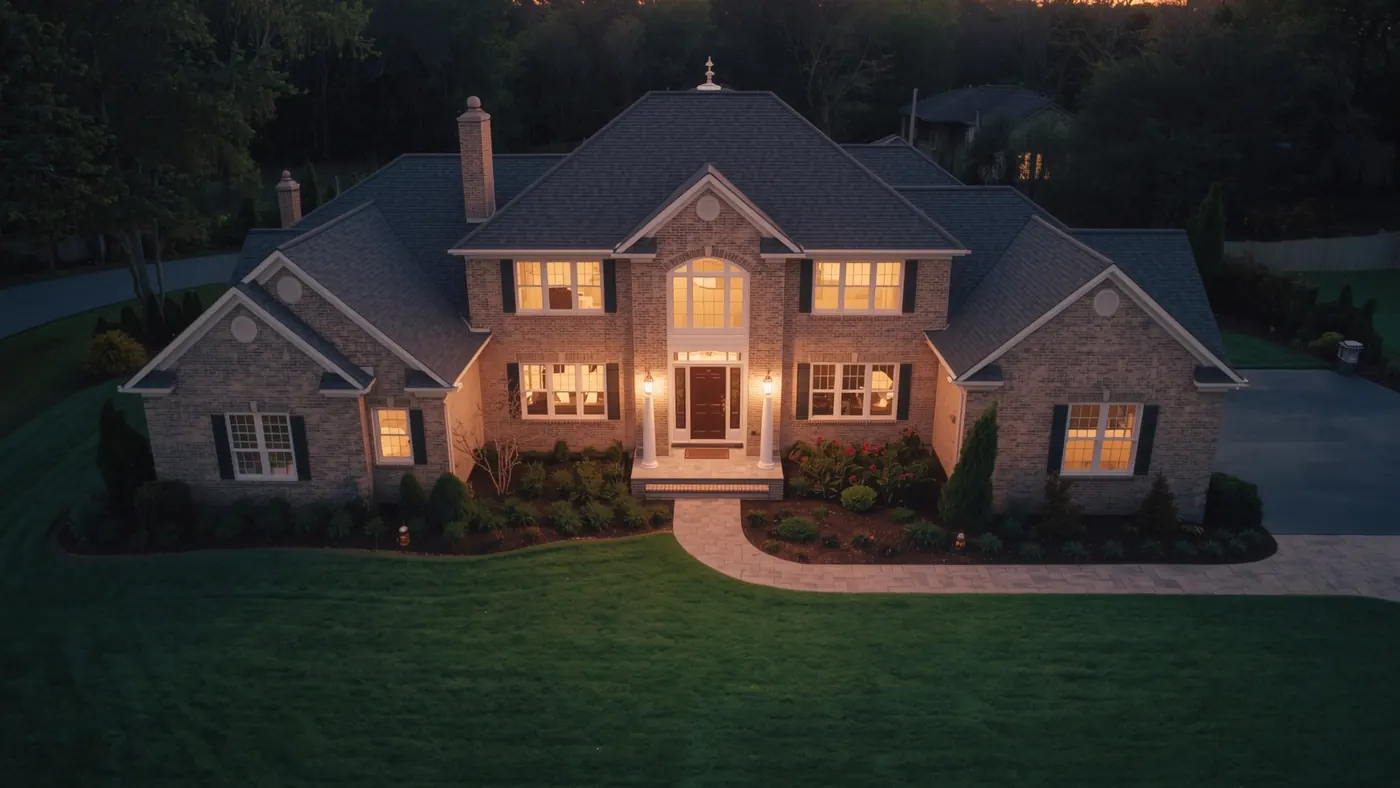
- Twilight aerials, which bring extra lighting rules
- Next-day delivery, sized for the MLS and for social
Reality check
How crowded: Crowded
Many photographers already offer aerials, and some agents fly their own drone. There is still room, it just goes to people who make an agent's week easier.
This is the most crowded lane, and agents often want drone shots as an add-on, not a whole package. The pilots who do well pair it with good ground photos or a fast turnaround, and they build a few repeat agents instead of chasing one-off listings. Watch for airspace near airports around some listings.
Where the room is
- Be the reliable one: on time, next-morning delivery, quick replies.
- Partner with ground photographers who don't fly instead of competing with them.
- Go where others skip: land, lake homes, new builds and listings near airports.
Typical pay ranges
Typical ranges people report, with where each one came from. They are not promises: what you earn depends on your area, your work and how you find clients.
| What | Range | Source and date | Confidence |
|---|---|---|---|
| Drone photos per property, beginner | $75 to $150 | PhotoUp: Drone real estate photography pricing, 2026-03-12 | Medium |
| Drone photos per property, with more experience | $150 to $300 | PhotoUp: Drone real estate photography pricing, 2026-03-12 | Medium |
| Real estate marketing mission on a gig platform | $125 to $225 | Fonzi.ai review of Zeitview mission pay (third-party blog), 2026-03-16 | Low |
In most markets, expect to start near the bottom of these ranges and move up as agents rebook you. Want a number for your own area? Try the pricing calculator.
Gear that is enough to start
- A camera drone in the $1,000 to $1,500 range with a good sensor and 3 batteries
- A free or cheap photo editing app
- A phone or tablet with a LAANC app for airspace approvals
- Insurance: on-demand per job to start, annual once you shoot weekly
Extra rules to know
- Every listing shoot is Part 107 flying
- Paid or free. "Taking photos to help sell a property" is one of the FAA's own examples. FAA: Recreational flyers
- Airspace near airports
- Many neighborhoods sit inside controlled airspace. Get authorization first, usually through LAANC.
- Neighbors count as people
- Don't fly over anyone who isn't part of the shoot unless they're under cover or your drone meets an over-people category.
- Twilight shots
- Flying at civil twilight or night needs anti-collision lighting visible for 3 statute miles.
Every lane starts with the FAA Remote Pilot Certificate. Not legal advice; rules change, so check the FAA before you spend money.
Your first three moves
List 20 local agents who post new listings often, and note whose photos have no aerials.
Once certified, shoot a hero shot and a neighborhood context shot of a house you have permission to fly.
Message five agents without aerials and offer one free collab shoot on a real listing.
What's in the kit for this job
Liftoff Pilot gets you ready for the Part 107 test, then hands you the First Paid Flight kit. For real estate photos and video, that includes:
- The full real estate lane guide
- Five-shot portfolio list for listings
- Message scripts for agents and photographers
- Pricing sheet and rate card template
- 30-day plan from license to first paid flight
Not sure this is your lane?
Nine quick questions match your time, skills and budget to a kind of drone work. It takes about two minutes and needs no email.
Questions about real estate photos and video drone work
Is real estate drone photography too crowded to start?
It's the most crowded lane, especially in busy cities. There is still work for pilots who deliver fast, partner with ground photographers who don't fly, or take the listings others skip, like land and homes near airports.
What do new pilots charge for real estate drone photos?
PhotoUp puts beginners at $75 to $150 per property and more experienced photographers at $150 to $300. These are typical ranges people report, not promises, and most people start near the bottom.
Do I need a license to shoot a friend's listing for free?
Yes. The FAA names photos that help sell a property as non-recreational flying, and payment does not change that. You need a Remote Pilot Certificate under Part 107.
Other drone jobs
- Roof inspections
- Construction progress
- Inspection careers
- Weddings and events
- Agriculture
- Content and social media
Liftoff is an independent drone pilot school. It is not affiliated with, endorsed by, or approved by the Federal Aviation Administration.